
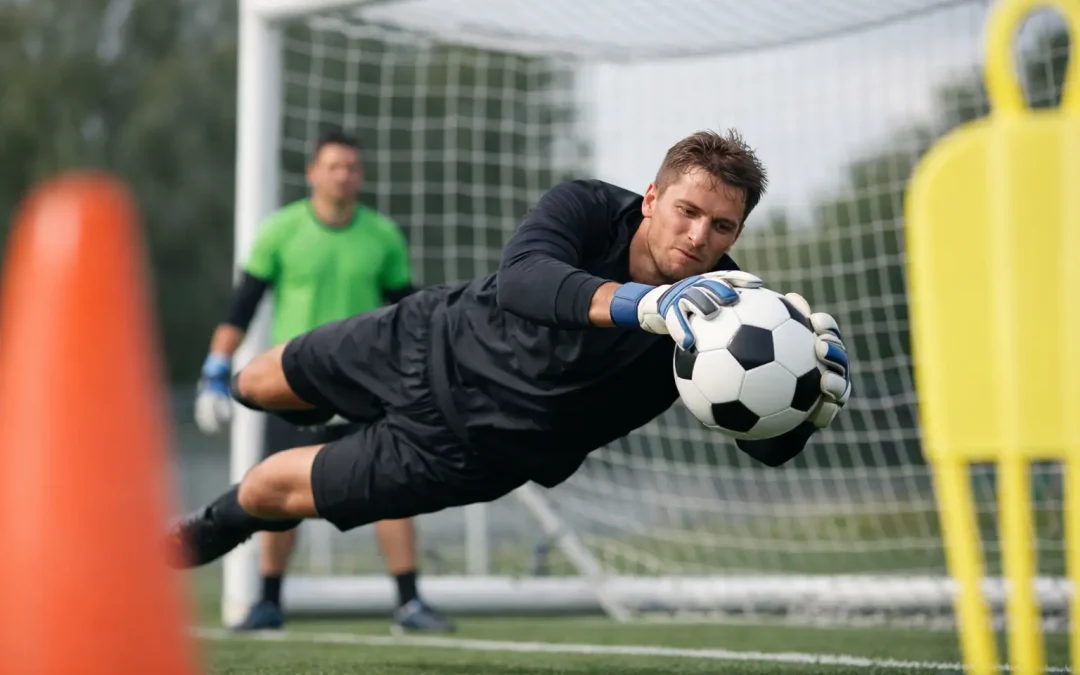
The quickest way to spot an untrained goalkeeper is not always in the save. It is in the set position, the first step, the decision to come or stay, and what happens a second after contact. If you want to learn how to train as goalkeeper properly, you need more than random shot-stopping drills. You need a clear plan that builds technique, decision-making, physical qualities and confidence together.
Goalkeeping is a specialised position. A keeper can look busy in training and still miss the details that matter on match day. That is why strong goalkeeper development should be progression-based. Younger players need sound habits early. Older players need sharper execution under pressure. In both cases, the goal is the same – become reliable, composed and effective when the game speeds up.
How to train as goalkeeper with purpose
A good goalkeeper session should train three things at once: clean technique, match-relevant movement and decision-making. Too many players practise one in isolation. For example, a keeper might take 50 easy catches from a standing position, but that does not prepare them for adjusting their feet, reading the ball flight and dealing with pressure around the six-yard box.
Start by thinking in training blocks. One block might focus on handling and body shape. Another might focus on footwork into a save. A third might involve distribution or crossing. This gives structure to the session and makes improvement measurable. It also helps parents and players understand why each part of training matters.
For younger goalkeepers, repetition is essential, but the repetitions must be correct. A simple collapse save done with poor hand shape and weak footwork only reinforces bad habits. For advanced youth and senior players, volume alone is not enough. They need realistic angles, varied service and game-speed decisions.
Build your goalkeeping foundation first
The best keepers do the basics so well that difficult moments look controlled. That foundation starts with stance and balance. Your set position should be athletic, relaxed and ready to move in any direction. If you are too upright, you react late. If you sit too deep, your first movement becomes slow and heavy.
Footwork is the next priority. Before the save comes the movement into the line of the ball. Small adjustment steps, quick lateral movement and a balanced final set are what put the body in the right place. Young keepers often want to dive for everything, but strong footwork reduces the need for dramatic action and improves clean handling.
Handling technique also needs deliberate work. Hands should form clean catching shapes, with elbows and shoulders supporting the line of the ball. Low balls, chest-height service and high catches each require slightly different mechanics. If your handling breaks down under fatigue or pressure, that is a sign the technique is not fully embedded yet.
Train the core goalkeeper skills that decide matches
Shot-stopping matters, but it is only one part of the role. Modern goalkeepers influence the game in several phases, so training should reflect that.
Handling and saving technique
Work on clean catches, parries to safe areas, low dives, collapse saves and extension saves. Start with controlled service, then increase speed and unpredictability. The key is not just getting a hand to the ball. It is controlling the outcome. A strong keeper turns one action into possession whenever possible.
Footwork and positioning
Positioning should always connect to the ball, the goal, and the threat around you. This is where coaching makes a major difference. Some keepers stand too deep and give shooters more target. Others over-commit and get exposed by cut-backs or chips. Training should include angle play, recovery movement and starting positions for different scenarios.
Aerial work and crosses
Catching under pressure is a distinct skill. It requires timing, footwork, communication and bravery. Train from different types of service – floated balls, driven crosses, inswingers and traffic in front. Younger players can build confidence with uncontested takes before progressing into realistic crowding and contact.
Distribution with hands and feet
A goalkeeper who can start attacks adds huge value. That means training side volleys, driven passes, clipped balls and accurate throws. Distribution should not be treated as an afterthought. If a keeper is technically sound with the ball at their feet, the whole team can build with more confidence.
How to train as goalkeeper for match situations
Once the technical base is there, training needs to become more game-like. This is where many players separate themselves. They may be clean in isolated drills, but real progress happens when they must read cues, adjust quickly and make the right choice under pressure.
Train one-on-ones with realistic starting distances. Work on whether to hold ground, narrow the angle or smother. Include rebound situations, second saves and transitions after collecting the ball. A save is not always the end of the action. Good keepers reset quickly and stay switched on.
Set pieces also deserve regular attention. Corners, wide free kicks and defensive organisation are major parts of the position. Goalkeepers should practise their communication as much as their catching. Clear, early instructions help defenders hold shape and reduce chaos in the box.
This is also where video and feedback become valuable. A keeper might feel they were well positioned, but footage can show they started too central or moved too early. Honest review speeds up learning when it is paired with practical correction on the pitch.
Develop the physical qualities that support the position
Goalkeepers do not need to train like outfield players, but they do need athletic qualities that suit the demands of the role. Explosive power, coordination, mobility and repeat efforts are all important.
Plyometric work can improve take-off and reactive movement, but it needs to be age-appropriate and technically supervised. Younger players should focus on landing mechanics, body control and simple jumping patterns. Older players can build into more advanced explosive work.
Core strength helps with stability and body control through dives, collisions and recovery movement. Mobility matters as well, especially through the hips, ankles and shoulders. A goalkeeper who moves freely usually sets more efficiently and reaches cleaner saving positions.
Conditioning should also fit the role. Long-distance running is rarely the best use of time for a keeper. Short, sharp efforts with recovery periods are usually more relevant. The aim is to stay explosive and mentally sharp deep into a match.
Confidence is trained, not hoped for
One of the biggest mistakes in goalkeeper development is treating confidence like luck. Confidence grows from preparation, repetition and honest coaching. When players know why they are doing a drill and can feel measurable improvement, they become more composed in matches.
Mistakes are part of the position. A striker can miss chances and still score later. A goalkeeper’s mistake is more visible. That is why the mental side matters so much. Keepers need routines after errors, strong communication habits and the discipline to focus on the next action.
For younger players, confidence often comes from clarity. They need simple cues, achievable progressions and encouragement tied to real behaviours. For older players chasing trials or higher-level football, confidence comes from consistency. They must trust their technique when the pressure rises.
This is where individual coaching can make a real difference. In a structured environment such as Clinical Football, goalkeeper training can be tailored to the player’s age, level and specific development needs, rather than forcing every keeper through the same generic session.
What a smart weekly goalkeeper plan looks like
If you are serious about improving, train with intention across the week. One dedicated goalkeeper session can focus on technique and position-specific detail. A second can be more game-based, with pressure, movement and decision-making. Team training then becomes the place to apply those habits within the full match context.
If you only train once a week as a keeper, the session needs to be efficient. Prioritise quality over quantity. If you train more often, vary the load. Not every day should involve repeated diving or heavy impact work. Recovery, mobility and handling rhythm sessions all have a place.
It also depends on age and stage. A nine-year-old keeper should not train like a seventeen-year-old preparing for trials. The younger player needs broad athletic development and technical basics. The older player needs sharper tactical detail, stronger physical preparation and more realistic pressure.
The best goalkeepers are not built by doing more for the sake of it. They are built by doing the right work, at the right level, with the right coaching. If you want to improve faster, train with structure, demand high standards from your technique, and stay patient with the process. Good goalkeeping is not flashy when it is done well. It is calm, efficient and dependable – and that is exactly what teams trust most.